Buy footit.eu ?
We are moving the project
footit.eu .
Are you interested in purchasing the domain
footit.eu ?
domain@kv-gmbh.de · 0541-91531010
Buy footit.eu ?
What is the difference between negotiating subject and negotiating basis?
Negotiating subject refers to the specific issue or topic that is being discussed or resolved during a negotiation, such as price, terms, or delivery schedule. On the other hand, negotiating basis refers to the underlying principles, values, or criteria that guide the negotiation process, such as fairness, mutual benefit, or trust. While the negotiating subject is the tangible aspect of the negotiation, the negotiating basis is the intangible foundation that shapes how the negotiation is conducted and the ultimate outcome. It is important for negotiators to align both the subject and basis in order to reach a successful agreement. **
'For negotiating or for debating?'
For negotiating, it is important to focus on finding common ground and reaching a mutually beneficial agreement. This involves active listening, understanding the other party's perspective, and being open to compromise. On the other hand, for debating, the goal is often to persuade others to your point of view through presenting strong arguments and evidence. This may involve more assertive communication and a focus on winning the argument rather than finding a compromise. Both negotiating and debating require effective communication skills, but the approach and goals are different. **


Similar search terms for Negotiating
Top-Angebote
Products related to Negotiating:
-
ModernMart Altitude Boost Training Mask For Running, Cardio & Endurance Fitness Altitude Boost Training Mask For Running, Cardio & Endurance FitnessBuilt to push limits, this _training mask_ transforms everyday workouts into highintensity performance sessions. Designed for runners, cyclists, gym athletes, and endurance trainers, it uses adjustable airflow resistance to help strengthen breathing...44,97 $*Shipping: 0,00 $Secure redirect to the provider
-
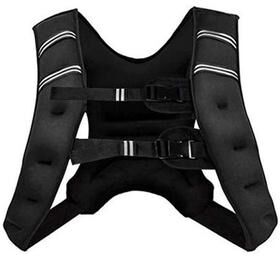
Inspire Essentials Adjustable Weighted Workout Vest For Running Strength Training Fitness Adjustable Weighted Workout Vest For Running Strength Training FitnessFeel stronger with every workout using this comfortable weighted workout vest. Designed for runners, fitness enthusiasts, and anyone looking to add resistance to their training, it helps improve endurance, strength, and overall performance. The...53,98 $*Shipping: 0,00 $Secure redirect to the provider
-
Multicon Wholesale Hub Speed Training Parachute Running Resistance Chute For Sprint And Endurance Work Speed Training Parachute Running Resistance Chute For Sprint And Endurance WorkPush every stride harder and train with purpose. This speed training parachute is built for runners, sprinters, and athletes who want to improve acceleration, stamina, and lowerbody drive. The 40inch approx canopy creates steady drag while you run,...69,97 $*Shipping: 0,00 $Secure redirect to the provider
-
Snug & Styled Reflective Weighted Training Vest 3KG Adjustable Fitness Vest For Running Strength Workouts Reflective Weighted Training Vest 3KG Adjustable Fitness Vest For Running Strength WorkoutsPush beyond your limits and make every workout count with this weighted vest designed to increase intensity without sacrificing comfort. Whether you're training for endurance, strength, or overall fitness, this fitness training vest helps maximize...124,97 $*Shipping: 0,00 $Secure redirect to the provider



-
What salary can I demand after my training when negotiating?
When negotiating your salary after training, it's important to consider factors such as your level of experience, the industry standards for your role, and the specific skills and knowledge you bring to the table. Research the average salary for your position in your location and use that as a benchmark. Additionally, highlight any additional certifications or achievements you've gained during your training to demonstrate your value to the company. Be prepared to negotiate and be flexible, but also be confident in advocating for a fair and competitive salary based on your qualifications and the value you bring to the organization. **
-
What salary can I demand after completing my training when negotiating?
The salary you can demand after completing your training will depend on various factors such as your level of experience, the industry you are in, the demand for your skills, and the company's budget. It is important to research the average salary range for your position in your industry and location to have a better understanding of what you can negotiate for. Additionally, highlighting your achievements during your training and any additional certifications or skills you have acquired can also help you negotiate a higher salary. **
-
Why are Turks so good at negotiating?
Turks are known for their strong negotiation skills due to their cultural values that emphasize hospitality, respect, and building relationships. They are skilled at building rapport and establishing trust with their counterparts, which is essential in successful negotiations. Additionally, Turks are known for their adaptability and creativity in finding mutually beneficial solutions during negotiations. Their ability to think on their feet and their strong communication skills also contribute to their effectiveness in negotiations. **
-
Do you have to make compromises when negotiating?
Yes, making compromises is often necessary when negotiating. Both parties involved in a negotiation typically have different priorities and objectives, so finding a middle ground often requires making concessions. Compromises can help to build trust and goodwill between the parties, and ultimately lead to a mutually beneficial agreement. However, it's important to carefully consider which compromises are acceptable and to ensure that the final agreement aligns with your overall goals and values. **


Was there a bluff in negotiating the salary?
No, there was no bluff in negotiating the salary. Both parties were transparent and honest in their discussions, leading to a fair and mutually beneficial agreement. Open communication and honesty are essential in salary negotiations to build trust and maintain a positive relationship between the employer and the employee. **
Is there a difference between bargaining and negotiating?
Bargaining and negotiating are similar in that they both involve discussions and compromise to reach an agreement. However, bargaining typically involves a more competitive and confrontational approach, with each party trying to get the best deal for themselves. Negotiating, on the other hand, tends to be more collaborative and focused on finding a mutually beneficial solution. In bargaining, there may be more emphasis on haggling over specific terms, while negotiating often involves a broader discussion of interests and priorities. **
Top-Angebote
Products related to Negotiating:
-
Penguin Never Split the Difference: Negotiating as if Your Life Depended on ItA former FBI hostage negotiator offers a new, field-tested approach to - effective in any situation.'Riveting' Adam Grant'Stupendous' The Week'Brilliant' GuardianAfter a stint policing the rough streets of Kansas City, Missouri, Chris Voss joined the FBI, where his career as a kidnapping negotiator brought him face-to-face with bank robbers, gang leaders and terrorists. Never Split the Difference takes you inside his world of high-stakes negotiations, revealing the nine key principles that helped Voss and his colleagues succeed when it mattered the most - when people's lives were at stake.Rooted in the real-life experiences of an intelligence professional at the top of his game, Never Split the Difference will give you the competitive edge in any discussion. PRAISE FOR NEVER SPLIT THE DIFFERENCE'My pick for book of the year.' Forbes'Who better to learn [negotiation] from than Chris Voss, whose skills have saved lives and averted disaster?' Daily Mail'Filled with insights that apply to everyday negotiations.' Business Insider'It's rare that a book is so gripping and entertaining while still being actionable and applicable.' Inc.'A business book you won't be able to put down.' Fortune7,99 £*Shipping: 2,99 £Secure redirect to the provider
-
DynamicDeals Multicolor Resistance Speed Training Parachute Kids Running Drag Chute For Outdoor Sports 1pcsTurn every sprint into real improvement with this vibrant resistance parachute designed for active kids and young athletes. Whether theyre racing classmates, training for soccer, or just enjoying outdoor play, this parachute adds dynamic resistance...39,97 $*Shipping: 0,00 $Secure redirect to the provider
-
ModernMart Altitude Boost Training Mask For Running, Cardio & Endurance Fitness Altitude Boost Training Mask For Running, Cardio & Endurance FitnessBuilt to push limits, this _training mask_ transforms everyday workouts into highintensity performance sessions. Designed for runners, cyclists, gym athletes, and endurance trainers, it uses adjustable airflow resistance to help strengthen breathing...44,97 $*Shipping: 0,00 $Secure redirect to the provider
-
Inspire Essentials Adjustable Weighted Workout Vest For Running Strength Training Fitness Adjustable Weighted Workout Vest For Running Strength Training FitnessFeel stronger with every workout using this comfortable weighted workout vest. Designed for runners, fitness enthusiasts, and anyone looking to add resistance to their training, it helps improve endurance, strength, and overall performance. The...53,98 $*Shipping: 0,00 $Secure redirect to the provider
-
What is the difference between negotiating subject and negotiating basis?
Negotiating subject refers to the specific issue or topic that is being discussed or resolved during a negotiation, such as price, terms, or delivery schedule. On the other hand, negotiating basis refers to the underlying principles, values, or criteria that guide the negotiation process, such as fairness, mutual benefit, or trust. While the negotiating subject is the tangible aspect of the negotiation, the negotiating basis is the intangible foundation that shapes how the negotiation is conducted and the ultimate outcome. It is important for negotiators to align both the subject and basis in order to reach a successful agreement. **
-
'For negotiating or for debating?'
For negotiating, it is important to focus on finding common ground and reaching a mutually beneficial agreement. This involves active listening, understanding the other party's perspective, and being open to compromise. On the other hand, for debating, the goal is often to persuade others to your point of view through presenting strong arguments and evidence. This may involve more assertive communication and a focus on winning the argument rather than finding a compromise. Both negotiating and debating require effective communication skills, but the approach and goals are different. **
-
What salary can I demand after my training when negotiating?
When negotiating your salary after training, it's important to consider factors such as your level of experience, the industry standards for your role, and the specific skills and knowledge you bring to the table. Research the average salary for your position in your location and use that as a benchmark. Additionally, highlight any additional certifications or achievements you've gained during your training to demonstrate your value to the company. Be prepared to negotiate and be flexible, but also be confident in advocating for a fair and competitive salary based on your qualifications and the value you bring to the organization. **
-
What salary can I demand after completing my training when negotiating?
The salary you can demand after completing your training will depend on various factors such as your level of experience, the industry you are in, the demand for your skills, and the company's budget. It is important to research the average salary range for your position in your industry and location to have a better understanding of what you can negotiate for. Additionally, highlighting your achievements during your training and any additional certifications or skills you have acquired can also help you negotiate a higher salary. **
Similar search terms for Negotiating
-
Multicon Wholesale Hub Speed Training Parachute Running Resistance Chute For Sprint And Endurance Work Speed Training Parachute Running Resistance Chute For Sprint And Endurance WorkPush every stride harder and train with purpose. This speed training parachute is built for runners, sprinters, and athletes who want to improve acceleration, stamina, and lowerbody drive. The 40inch approx canopy creates steady drag while you run,...69,97 $*Shipping: 0,00 $Secure redirect to the provider
-
Snug & Styled Reflective Weighted Training Vest 3KG Adjustable Fitness Vest For Running Strength Workouts Reflective Weighted Training Vest 3KG Adjustable Fitness Vest For Running Strength WorkoutsPush beyond your limits and make every workout count with this weighted vest designed to increase intensity without sacrificing comfort. Whether you're training for endurance, strength, or overall fitness, this fitness training vest helps maximize...124,97 $*Shipping: 0,00 $Secure redirect to the provider
-
Multisell Products Hub Kids Speed Training Parachute Resistance Running Drag Chute For Soccer And Agility Training 2pcsFeel the excitement of turning every run into a powerful training session with this speed training parachute designed just for kids. Built for young athletes who want to move faster, stronger, and more confidently, this lightweight kids resistance...59,97 $*Shipping: 0,00 $Secure redirect to the provider
-
Uplift Picks 4 Roll Athletic Finger Tape For Boxing Climbing And Cross Training 4 Roll Athletic Finger Tape For Boxing Climbing And Cross TrainingProtect your fingers and maintain a confident grip through demanding workouts. This breathable sports finger wrap uses strong adhesive to stay secure during boxing, climbing, weightlifting, and cross training. Made from cotton with a skinfriendly...67,48 $*Shipping: 0,00 $Secure redirect to the provider
-
Why are Turks so good at negotiating?
Turks are known for their strong negotiation skills due to their cultural values that emphasize hospitality, respect, and building relationships. They are skilled at building rapport and establishing trust with their counterparts, which is essential in successful negotiations. Additionally, Turks are known for their adaptability and creativity in finding mutually beneficial solutions during negotiations. Their ability to think on their feet and their strong communication skills also contribute to their effectiveness in negotiations. **
-
Do you have to make compromises when negotiating?
Yes, making compromises is often necessary when negotiating. Both parties involved in a negotiation typically have different priorities and objectives, so finding a middle ground often requires making concessions. Compromises can help to build trust and goodwill between the parties, and ultimately lead to a mutually beneficial agreement. However, it's important to carefully consider which compromises are acceptable and to ensure that the final agreement aligns with your overall goals and values. **
-
Was there a bluff in negotiating the salary?
No, there was no bluff in negotiating the salary. Both parties were transparent and honest in their discussions, leading to a fair and mutually beneficial agreement. Open communication and honesty are essential in salary negotiations to build trust and maintain a positive relationship between the employer and the employee. **
-
Is there a difference between bargaining and negotiating?
Bargaining and negotiating are similar in that they both involve discussions and compromise to reach an agreement. However, bargaining typically involves a more competitive and confrontational approach, with each party trying to get the best deal for themselves. Negotiating, on the other hand, tends to be more collaborative and focused on finding a mutually beneficial solution. In bargaining, there may be more emphasis on haggling over specific terms, while negotiating often involves a broader discussion of interests and priorities. **
* All prices are inclusive of VAT and, if applicable, plus shipping costs. The offer information is based on the details provided by the respective shop and is updated through automated processes. Real-time updates do not occur, so deviations can occur in individual cases. ** Note: Parts of this content were created by AI.