Buy footit.eu ?
We are moving the project
footit.eu .
Are you interested in purchasing the domain
footit.eu ?
domain@kv-gmbh.de · 0541-91531010
Buy footit.eu ?
What is the Himalayas?
The Himalayas is a vast mountain range in Asia, separating the plains of the Indian subcontinent from the Tibetan Plateau. It is home to some of the world's highest peaks, including Mount Everest, and spans five countries: India, Nepal, Bhutan, China, and Pakistan. The Himalayas are also known for their rich biodiversity, with a wide variety of flora and fauna found in the region. Additionally, the range has significant cultural and spiritual importance, with many sacred sites and pilgrimage routes located within its peaks and valleys. **
Where is the Himalayas located?
The Himalayas are located in Asia, spanning across five countries: India, Nepal, Bhutan, China, and Pakistan. This mountain range stretches over 1,500 miles from east to west, and its highest peak, Mount Everest, is situated in Nepal. The Himalayas are known for their majestic beauty and are a popular destination for trekkers, climbers, and nature enthusiasts. **


Similar search terms for Himalayas
Top-Angebote
Products related to Himalayas:
-
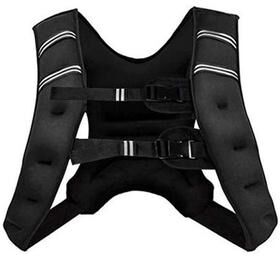
Inspire Essentials Adjustable Weighted Workout Vest For Running Strength Training Fitness Adjustable Weighted Workout Vest For Running Strength Training FitnessFeel stronger with every workout using this comfortable weighted workout vest. Designed for runners, fitness enthusiasts, and anyone looking to add resistance to their training, it helps improve endurance, strength, and overall performance. The...53,98 $*Shipping: 0,00 $Secure redirect to the provider
-
Multicon Wholesale Hub Speed Training Parachute Running Resistance Chute For Sprint And Endurance Work Speed Training Parachute Running Resistance Chute For Sprint And Endurance WorkPush every stride harder and train with purpose. This speed training parachute is built for runners, sprinters, and athletes who want to improve acceleration, stamina, and lowerbody drive. The 40inch approx canopy creates steady drag while you run,...69,97 $*Shipping: 0,00 $Secure redirect to the provider
-
Snug & Styled Reflective Weighted Training Vest 3KG Adjustable Fitness Vest For Running Strength Workouts Reflective Weighted Training Vest 3KG Adjustable Fitness Vest For Running Strength WorkoutsPush beyond your limits and make every workout count with this weighted vest designed to increase intensity without sacrificing comfort. Whether you're training for endurance, strength, or overall fitness, this fitness training vest helps maximize...124,97 $*Shipping: 0,00 $Secure redirect to the provider
-
Multisell Products Hub Kids Speed Training Parachute Resistance Running Drag Chute For Soccer And Agility Training 2pcsFeel the excitement of turning every run into a powerful training session with this speed training parachute designed just for kids. Built for young athletes who want to move faster, stronger, and more confidently, this lightweight kids resistance...59,97 $*Shipping: 0,00 $Secure redirect to the provider



-
How old is the Himalayas?
The Himalayas are estimated to be around 50 million years old. The mountain range was formed as a result of the collision between the Indian and Eurasian tectonic plates. Over millions of years, the Himalayas have continued to grow and change due to the ongoing movement of these plates. The Himalayas are considered relatively young compared to other mountain ranges on Earth. **
-
How high are the Himalayas?
The Himalayas are the highest mountain range in the world, with the highest peak being Mount Everest at 29,032 feet (8,849 meters) above sea level. The range spans across five countries - India, Nepal, Bhutan, China, and Pakistan - and includes over 100 mountains that are over 23,600 feet (7,200 meters) high. The average elevation of the Himalayas is around 16,000 feet (4,900 meters) above sea level, making it one of the most formidable and majestic mountain ranges on Earth. **
-
How was the Himalayas formed?
The Himalayas were formed through the collision of the Indian Plate and the Eurasian Plate. Around 50 million years ago, the Indian Plate began moving northward and eventually collided with the Eurasian Plate. This collision caused the Earth's crust to crumple and fold, resulting in the formation of the Himalayan mountain range. The ongoing tectonic activity in the region continues to push the Himalayas higher, making them one of the youngest and tallest mountain ranges in the world. **
-
Why are there no volcanoes in the Himalayas?
The Himalayas are formed by the collision of the Indian and Eurasian tectonic plates, which has resulted in the uplift of the region. This collision has caused the crust to thicken and push upwards, creating the towering mountain range. However, the process of subduction, which is responsible for the formation of volcanoes, is not occurring in the Himalayas. Instead, the collision has led to the formation of fold mountains, where the crust is pushed together and uplifted, but not melted and erupted as in the case of volcanic mountains. Therefore, the absence of subduction and the type of tectonic activity in the Himalayas are the reasons why there are no volcanoes in the region. **


Why is there no active volcanism in the Himalayas?
The Himalayas are formed by the collision of the Indian and Eurasian tectonic plates, which has resulted in the uplift of the region. This collision has caused the crust to thicken and compress, making it difficult for magma to rise to the surface and form volcanoes. Additionally, the Indian plate is currently moving northward and underthrusting beneath the Eurasian plate, which further inhibits volcanic activity in the region. As a result, the Himalayas do not have active volcanism. **
What is the climate like in the Bhutan Himalayas?
The climate in the Bhutan Himalayas varies depending on the altitude. In the lower regions, the climate is subtropical with hot and humid summers and mild winters. As you move higher up, the climate becomes cooler and more temperate, with a mix of temperate and alpine forests. At the highest elevations, the climate is alpine and can be very cold, with snow and freezing temperatures. Overall, the climate in the Bhutan Himalayas is diverse and can change dramatically with elevation. **
Top-Angebote
Products related to Himalayas:
-
DynamicDeals Multicolor Resistance Speed Training Parachute Kids Running Drag Chute For Outdoor Sports 1pcsTurn every sprint into real improvement with this vibrant resistance parachute designed for active kids and young athletes. Whether theyre racing classmates, training for soccer, or just enjoying outdoor play, this parachute adds dynamic resistance...39,97 $*Shipping: 0,00 $Secure redirect to the provider
-
ModernMart Altitude Boost Training Mask For Running, Cardio & Endurance Fitness Altitude Boost Training Mask For Running, Cardio & Endurance FitnessBuilt to push limits, this _training mask_ transforms everyday workouts into highintensity performance sessions. Designed for runners, cyclists, gym athletes, and endurance trainers, it uses adjustable airflow resistance to help strengthen breathing...44,97 $*Shipping: 0,00 $Secure redirect to the provider
-
Inspire Essentials Adjustable Weighted Workout Vest For Running Strength Training Fitness Adjustable Weighted Workout Vest For Running Strength Training FitnessFeel stronger with every workout using this comfortable weighted workout vest. Designed for runners, fitness enthusiasts, and anyone looking to add resistance to their training, it helps improve endurance, strength, and overall performance. The...53,98 $*Shipping: 0,00 $Secure redirect to the provider
-
Multicon Wholesale Hub Speed Training Parachute Running Resistance Chute For Sprint And Endurance Work Speed Training Parachute Running Resistance Chute For Sprint And Endurance WorkPush every stride harder and train with purpose. This speed training parachute is built for runners, sprinters, and athletes who want to improve acceleration, stamina, and lowerbody drive. The 40inch approx canopy creates steady drag while you run,...69,97 $*Shipping: 0,00 $Secure redirect to the provider
-
What is the Himalayas?
The Himalayas is a vast mountain range in Asia, separating the plains of the Indian subcontinent from the Tibetan Plateau. It is home to some of the world's highest peaks, including Mount Everest, and spans five countries: India, Nepal, Bhutan, China, and Pakistan. The Himalayas are also known for their rich biodiversity, with a wide variety of flora and fauna found in the region. Additionally, the range has significant cultural and spiritual importance, with many sacred sites and pilgrimage routes located within its peaks and valleys. **
-
Where is the Himalayas located?
The Himalayas are located in Asia, spanning across five countries: India, Nepal, Bhutan, China, and Pakistan. This mountain range stretches over 1,500 miles from east to west, and its highest peak, Mount Everest, is situated in Nepal. The Himalayas are known for their majestic beauty and are a popular destination for trekkers, climbers, and nature enthusiasts. **
-
How old is the Himalayas?
The Himalayas are estimated to be around 50 million years old. The mountain range was formed as a result of the collision between the Indian and Eurasian tectonic plates. Over millions of years, the Himalayas have continued to grow and change due to the ongoing movement of these plates. The Himalayas are considered relatively young compared to other mountain ranges on Earth. **
-
How high are the Himalayas?
The Himalayas are the highest mountain range in the world, with the highest peak being Mount Everest at 29,032 feet (8,849 meters) above sea level. The range spans across five countries - India, Nepal, Bhutan, China, and Pakistan - and includes over 100 mountains that are over 23,600 feet (7,200 meters) high. The average elevation of the Himalayas is around 16,000 feet (4,900 meters) above sea level, making it one of the most formidable and majestic mountain ranges on Earth. **
Similar search terms for Himalayas
-
Snug & Styled Reflective Weighted Training Vest 3KG Adjustable Fitness Vest For Running Strength Workouts Reflective Weighted Training Vest 3KG Adjustable Fitness Vest For Running Strength WorkoutsPush beyond your limits and make every workout count with this weighted vest designed to increase intensity without sacrificing comfort. Whether you're training for endurance, strength, or overall fitness, this fitness training vest helps maximize...124,97 $*Shipping: 0,00 $Secure redirect to the provider
-
Multisell Products Hub Kids Speed Training Parachute Resistance Running Drag Chute For Soccer And Agility Training 2pcsFeel the excitement of turning every run into a powerful training session with this speed training parachute designed just for kids. Built for young athletes who want to move faster, stronger, and more confidently, this lightweight kids resistance...59,97 $*Shipping: 0,00 $Secure redirect to the provider
-
Uplift Treasures Compression Calf Sleeves For Sports Running Cycling And Training whiteProduct Description: Stay comfortable and protected during every workout with these breathable compression calf sleeves. Designed to provide muscle support, improve comfort, and help shield your legs from harmful UV rays, they are ideal for running,...41,97 $*Shipping: 0,00 $Secure redirect to the provider
-
DynamicDeals Multicolor Resistance Speed Training Parachute Kids Running Drag Chute For Outdoor Sports 2pcsTurn every sprint into real improvement with this vibrant resistance parachute designed for active kids and young athletes. Whether theyre racing classmates, training for soccer, or just enjoying outdoor play, this parachute adds dynamic resistance...59,97 $*Shipping: 0,00 $Secure redirect to the provider
-
How was the Himalayas formed?
The Himalayas were formed through the collision of the Indian Plate and the Eurasian Plate. Around 50 million years ago, the Indian Plate began moving northward and eventually collided with the Eurasian Plate. This collision caused the Earth's crust to crumple and fold, resulting in the formation of the Himalayan mountain range. The ongoing tectonic activity in the region continues to push the Himalayas higher, making them one of the youngest and tallest mountain ranges in the world. **
-
Why are there no volcanoes in the Himalayas?
The Himalayas are formed by the collision of the Indian and Eurasian tectonic plates, which has resulted in the uplift of the region. This collision has caused the crust to thicken and push upwards, creating the towering mountain range. However, the process of subduction, which is responsible for the formation of volcanoes, is not occurring in the Himalayas. Instead, the collision has led to the formation of fold mountains, where the crust is pushed together and uplifted, but not melted and erupted as in the case of volcanic mountains. Therefore, the absence of subduction and the type of tectonic activity in the Himalayas are the reasons why there are no volcanoes in the region. **
-
Why is there no active volcanism in the Himalayas?
The Himalayas are formed by the collision of the Indian and Eurasian tectonic plates, which has resulted in the uplift of the region. This collision has caused the crust to thicken and compress, making it difficult for magma to rise to the surface and form volcanoes. Additionally, the Indian plate is currently moving northward and underthrusting beneath the Eurasian plate, which further inhibits volcanic activity in the region. As a result, the Himalayas do not have active volcanism. **
-
What is the climate like in the Bhutan Himalayas?
The climate in the Bhutan Himalayas varies depending on the altitude. In the lower regions, the climate is subtropical with hot and humid summers and mild winters. As you move higher up, the climate becomes cooler and more temperate, with a mix of temperate and alpine forests. At the highest elevations, the climate is alpine and can be very cold, with snow and freezing temperatures. Overall, the climate in the Bhutan Himalayas is diverse and can change dramatically with elevation. **
* All prices are inclusive of VAT and, if applicable, plus shipping costs. The offer information is based on the details provided by the respective shop and is updated through automated processes. Real-time updates do not occur, so deviations can occur in individual cases. ** Note: Parts of this content were created by AI.