Buy footit.eu ?
We are moving the project
footit.eu .
Are you interested in purchasing the domain
footit.eu ?
domain@kv-gmbh.de · 0541-91531010
Buy footit.eu ?
"Was the HDD disconnected while the PC was running?"
Disconnecting the HDD while the PC is running can cause data corruption, system crashes, and potential damage to the hard drive. It is not recommended to disconnect the HDD while the PC is running as it can lead to various issues and potential data loss. It is always best to shut down the computer properly before disconnecting any hardware to avoid any potential damage or data loss. **
Can I connect an HDD to another PC that doesn't have an HDD and access the HDD?
Yes, you can connect an HDD to another PC that doesn't have an HDD and access the data on the HDD. You can do this by connecting the HDD to the second PC using a USB-to-SATA adapter or by installing the HDD directly into the second PC if there is an available slot. Once connected, you should be able to access the files and data stored on the HDD from the second PC. Just make sure the second PC is compatible with the HDD's interface (SATA or IDE) and has the necessary drivers to recognize the HDD. **


Similar search terms for Hdd
Top-Angebote
Products related to Hdd:

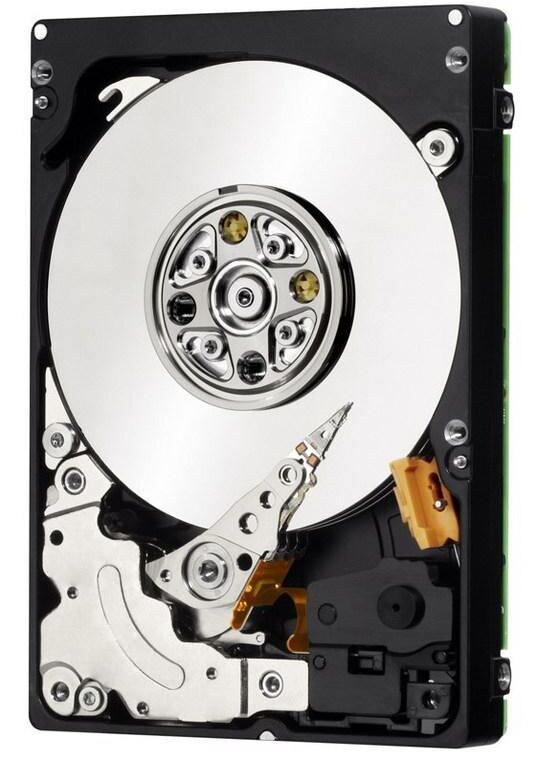


-
Can I connect a HDD to another PC that doesn't have a HDD and access the HDD?
Yes, you can connect a HDD to another PC that doesn't have a HDD and access the HDD. You can do this by using an external HDD enclosure or a SATA/IDE to USB adapter. Once the HDD is connected to the other PC, you should be able to access the files and data stored on the HDD as long as the PC recognizes the HDD and has the necessary drivers installed. Keep in mind that you may need to take ownership of the files and folders on the HDD if they are protected by permissions. **
-
How do I get the HDD running again on USB 3.0?
To get the HDD running again on USB 3.0, you can try the following steps: 1. Check the USB 3.0 cable and port for any damage or debris that may be causing a poor connection. Try using a different USB 3.0 cable or port to see if that resolves the issue. 2. Make sure the HDD is properly powered on and that the power supply is functioning correctly. Some HDDs require an external power source to operate, so ensure that it is connected and working. 3. Check the device manager on your computer to see if the HDD is being recognized. If it is not, you may need to update the drivers for the USB 3.0 controller or the HDD itself. 4. If the HDD is still not working, it may be a hardware issue with the HDD itself. In this case, you may need to consult with the manufacturer for further troubleshooting or consider replacing the HDD. **
-
Is the HDD overloaded?
To determine if the HDD is overloaded, you can check the disk usage in the task manager or resource monitor. If the disk usage is consistently at or near 100%, it indicates that the HDD is overloaded and struggling to keep up with the demand. Additionally, if the computer is running slow or experiencing frequent freezes, it could be a sign of an overloaded HDD. It's also important to check for any large or unnecessary files taking up space on the HDD, as this can contribute to overloading the disk. **
-
Is this my HDD?
I'm sorry, but I cannot determine if the HDD in question belongs to you without more specific information. If you are trying to identify a specific HDD, you may need to check the serial number or other identifying information on the device. If you have concerns about the ownership of a particular HDD, it may be best to consult with the manufacturer or a professional to help verify its ownership. **


Is the HDD broken?
Without further information or diagnostics, it is difficult to determine if the HDD is broken. It could be a hardware issue, a software problem, or a connection error. To determine if the HDD is broken, it would be best to run diagnostic tests, check for error messages, and try connecting the HDD to another computer to see if it is recognized. If these steps do not resolve the issue, it may be necessary to consult a professional for further assistance. **
Who still uses HDD?
HDDs are still used by many individuals and organizations, particularly for storing large amounts of data at a lower cost compared to SSDs. They are commonly found in desktop computers, external hard drives, and network-attached storage (NAS) devices. Additionally, some data centers and server farms still use HDDs for long-term storage of large volumes of data. Despite the growing popularity of SSDs, HDDs continue to be a cost-effective option for those with extensive storage needs. **
Top-Angebote
Products related to Hdd:
-
"Was the HDD disconnected while the PC was running?"
Disconnecting the HDD while the PC is running can cause data corruption, system crashes, and potential damage to the hard drive. It is not recommended to disconnect the HDD while the PC is running as it can lead to various issues and potential data loss. It is always best to shut down the computer properly before disconnecting any hardware to avoid any potential damage or data loss. **
-
Can I connect an HDD to another PC that doesn't have an HDD and access the HDD?
Yes, you can connect an HDD to another PC that doesn't have an HDD and access the data on the HDD. You can do this by connecting the HDD to the second PC using a USB-to-SATA adapter or by installing the HDD directly into the second PC if there is an available slot. Once connected, you should be able to access the files and data stored on the HDD from the second PC. Just make sure the second PC is compatible with the HDD's interface (SATA or IDE) and has the necessary drivers to recognize the HDD. **
-
Can I connect a HDD to another PC that doesn't have a HDD and access the HDD?
Yes, you can connect a HDD to another PC that doesn't have a HDD and access the HDD. You can do this by using an external HDD enclosure or a SATA/IDE to USB adapter. Once the HDD is connected to the other PC, you should be able to access the files and data stored on the HDD as long as the PC recognizes the HDD and has the necessary drivers installed. Keep in mind that you may need to take ownership of the files and folders on the HDD if they are protected by permissions. **
-
How do I get the HDD running again on USB 3.0?
To get the HDD running again on USB 3.0, you can try the following steps: 1. Check the USB 3.0 cable and port for any damage or debris that may be causing a poor connection. Try using a different USB 3.0 cable or port to see if that resolves the issue. 2. Make sure the HDD is properly powered on and that the power supply is functioning correctly. Some HDDs require an external power source to operate, so ensure that it is connected and working. 3. Check the device manager on your computer to see if the HDD is being recognized. If it is not, you may need to update the drivers for the USB 3.0 controller or the HDD itself. 4. If the HDD is still not working, it may be a hardware issue with the HDD itself. In this case, you may need to consult with the manufacturer for further troubleshooting or consider replacing the HDD. **
Similar search terms for Hdd
-
Is the HDD overloaded?
To determine if the HDD is overloaded, you can check the disk usage in the task manager or resource monitor. If the disk usage is consistently at or near 100%, it indicates that the HDD is overloaded and struggling to keep up with the demand. Additionally, if the computer is running slow or experiencing frequent freezes, it could be a sign of an overloaded HDD. It's also important to check for any large or unnecessary files taking up space on the HDD, as this can contribute to overloading the disk. **
-
Is this my HDD?
I'm sorry, but I cannot determine if the HDD in question belongs to you without more specific information. If you are trying to identify a specific HDD, you may need to check the serial number or other identifying information on the device. If you have concerns about the ownership of a particular HDD, it may be best to consult with the manufacturer or a professional to help verify its ownership. **
-
Is the HDD broken?
Without further information or diagnostics, it is difficult to determine if the HDD is broken. It could be a hardware issue, a software problem, or a connection error. To determine if the HDD is broken, it would be best to run diagnostic tests, check for error messages, and try connecting the HDD to another computer to see if it is recognized. If these steps do not resolve the issue, it may be necessary to consult a professional for further assistance. **
-
Who still uses HDD?
HDDs are still used by many individuals and organizations, particularly for storing large amounts of data at a lower cost compared to SSDs. They are commonly found in desktop computers, external hard drives, and network-attached storage (NAS) devices. Additionally, some data centers and server farms still use HDDs for long-term storage of large volumes of data. Despite the growing popularity of SSDs, HDDs continue to be a cost-effective option for those with extensive storage needs. **
* All prices are inclusive of VAT and, if applicable, plus shipping costs. The offer information is based on the details provided by the respective shop and is updated through automated processes. Real-time updates do not occur, so deviations can occur in individual cases. ** Note: Parts of this content were created by AI.