Buy footit.eu ?
We are moving the project
footit.eu .
Are you interested in purchasing the domain
footit.eu ?
domain@kv-gmbh.de · 0541-91531010
Buy footit.eu ?
Are H05RR-F 3G 15 cables suitable for outdoor use as extension cables?
No, H05RR-F 3G 15 cables are not suitable for outdoor use as extension cables. These cables are designed for indoor use and may not be able to withstand the harsh outdoor conditions such as exposure to sunlight, moisture, and extreme temperatures. It is recommended to use cables specifically designed for outdoor use to ensure safety and durability. **
How can one lay network cables in outdoor areas?
When laying network cables in outdoor areas, it is important to use outdoor-rated cables that are designed to withstand exposure to the elements. The cables should be buried at least 18 inches underground to protect them from damage and ensure they are not a tripping hazard. Additionally, it is important to use conduit or protective tubing to further shield the cables from potential damage. Finally, it is essential to follow local building codes and regulations when laying network cables in outdoor areas to ensure compliance and safety. **


Similar search terms for Cables
Top-Angebote
Products related to Cables:
-
CABLES DIRECT CMS Cables High Speed HDMI Cable with Ethernet - 2mHigh Speed HDMI cable with Ethernet, 2 metres. HDMI (High-Definition Multimedia Interface) carries digital video and audio over a single cable between devices such as Blu-ray and DVD players, set-top boxes, games consoles, TVs, monitors and projectors.10,99 £*Shipping: 0,00 £Secure redirect to the provider
-
CARCOMMERCE 61012 Jumper cablesCurrent carrying capacity [A]: 200; Cable Colour: red/black; Current Strength to [A]: 200; Vehicle type: Passenger cars; Material: Copper; Length [m]: 1.8; Supplementary Article / Supplementary Info Info 2: with overvoltage protection; suited for engine type: Petrol Engine6,99 £*Shipping: 8,45 £Secure redirect to the provider


-
How can network cables be installed in outdoor areas?
When installing network cables in outdoor areas, it is important to use cables that are specifically designed for outdoor use and can withstand exposure to the elements. The cables should be buried underground or run through conduit to protect them from damage. It is also important to use waterproof connectors and junction boxes to ensure the connections remain secure and protected from moisture. Additionally, proper grounding and surge protection should be implemented to prevent damage from lightning strikes or power surges. **
-
How are the cables running in the wall?
The cables are running through the wall in a neat and organized manner, with proper spacing and support to prevent any tangling or damage. They are likely secured with cable clips or conduit to keep them in place and maintain a clean appearance. This method of installation helps to protect the cables from wear and tear and ensures a reliable and efficient network connection. **
-
What is the difference between copper cables, twisted-pair cables, fiber optic cables, and coaxial cables?
Copper cables are made of copper wire and are commonly used for transmitting electrical signals. Twisted-pair cables consist of pairs of insulated copper wires twisted together, which helps reduce electromagnetic interference. Fiber optic cables use thin strands of glass or plastic to transmit data using light pulses, allowing for high-speed and long-distance transmission. Coaxial cables have a central conductor surrounded by an insulating layer, a conductive shield, and an outer insulating layer, and are commonly used for cable television and internet connections. Each type of cable has its own advantages and is used for different purposes based on their unique characteristics. **
-
Why do RCA cables have two cables?
RCA cables have two cables, one for the left audio channel and one for the right audio channel. This allows for stereo sound to be transmitted from one device to another. By having separate cables for each channel, RCA cables can maintain the integrity of the stereo signal and provide a better audio experience. **

"Use regular cables instead of solar cables?"
Regular cables are typically used for general electrical applications, while solar cables are specifically designed for use in solar power systems. Solar cables are designed to withstand the unique environmental conditions and high temperatures associated with solar installations, making them more suitable for these applications. Using regular cables instead of solar cables in a solar power system may result in reduced efficiency, increased risk of damage, and potential safety hazards. Therefore, it is recommended to use solar cables specifically designed for solar power systems to ensure optimal performance and safety. **
Can I throw old cables like laptop cables, phone cables, and printer cables in the regular household waste?
No, it is not recommended to throw old cables like laptop cables, phone cables, and printer cables in the regular household waste. These cables often contain materials that can be harmful to the environment if not disposed of properly. It is best to recycle these cables at a designated electronic waste recycling facility to ensure that they are disposed of in an environmentally friendly manner. Many communities have specific drop-off locations for electronic waste recycling. **
Top-Angebote
Products related to Cables:
-
CABLES DIRECT CMS Cables High Speed HDMI Cable with Ethernet - 2mHigh Speed HDMI cable with Ethernet, 2 metres. HDMI (High-Definition Multimedia Interface) carries digital video and audio over a single cable between devices such as Blu-ray and DVD players, set-top boxes, games consoles, TVs, monitors and projectors.10,99 £*Shipping: 0,00 £Secure redirect to the provider
-
Are H05RR-F 3G 15 cables suitable for outdoor use as extension cables?
No, H05RR-F 3G 15 cables are not suitable for outdoor use as extension cables. These cables are designed for indoor use and may not be able to withstand the harsh outdoor conditions such as exposure to sunlight, moisture, and extreme temperatures. It is recommended to use cables specifically designed for outdoor use to ensure safety and durability. **
-
How can one lay network cables in outdoor areas?
When laying network cables in outdoor areas, it is important to use outdoor-rated cables that are designed to withstand exposure to the elements. The cables should be buried at least 18 inches underground to protect them from damage and ensure they are not a tripping hazard. Additionally, it is important to use conduit or protective tubing to further shield the cables from potential damage. Finally, it is essential to follow local building codes and regulations when laying network cables in outdoor areas to ensure compliance and safety. **
-
How can network cables be installed in outdoor areas?
When installing network cables in outdoor areas, it is important to use cables that are specifically designed for outdoor use and can withstand exposure to the elements. The cables should be buried underground or run through conduit to protect them from damage. It is also important to use waterproof connectors and junction boxes to ensure the connections remain secure and protected from moisture. Additionally, proper grounding and surge protection should be implemented to prevent damage from lightning strikes or power surges. **
-
How are the cables running in the wall?
The cables are running through the wall in a neat and organized manner, with proper spacing and support to prevent any tangling or damage. They are likely secured with cable clips or conduit to keep them in place and maintain a clean appearance. This method of installation helps to protect the cables from wear and tear and ensures a reliable and efficient network connection. **
Similar search terms for Cables
-
CARCOMMERCE 61012 Jumper cablesCurrent carrying capacity [A]: 200; Cable Colour: red/black; Current Strength to [A]: 200; Vehicle type: Passenger cars; Material: Copper; Length [m]: 1.8; Supplementary Article / Supplementary Info Info 2: with overvoltage protection; suited for engine type: Petrol Engine6,99 £*Shipping: 8,45 £Secure redirect to the provider
-
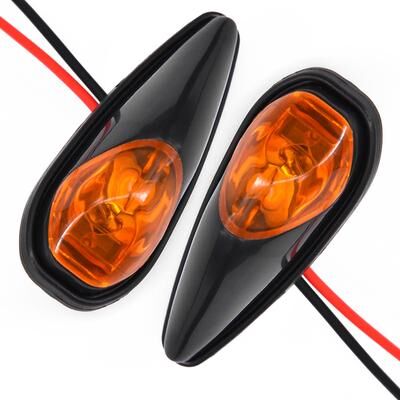
Smart Shopping Spot Mini Universal Motorcycle Blinker Lights With Cables, Yellow LED Turn Signal Indicator, Daytime Running Lights Mini Universal Motorcycle Blinker Lights With Cables, Yellow LED Turn Signal Indicator, Daytime Running LightsEnhance Your Ride with Mini Universal Motorcycle LED Turn Signal Indicator Ensure maximum safety and visibility on the road with the Mini Universal Motorcycle Yellow LED Turn Signal Indicator. These compact yet powerful blinker lights with cables...34,97 $*Shipping: 0,00 $Secure redirect to the provider
-
What is the difference between copper cables, twisted-pair cables, fiber optic cables, and coaxial cables?
Copper cables are made of copper wire and are commonly used for transmitting electrical signals. Twisted-pair cables consist of pairs of insulated copper wires twisted together, which helps reduce electromagnetic interference. Fiber optic cables use thin strands of glass or plastic to transmit data using light pulses, allowing for high-speed and long-distance transmission. Coaxial cables have a central conductor surrounded by an insulating layer, a conductive shield, and an outer insulating layer, and are commonly used for cable television and internet connections. Each type of cable has its own advantages and is used for different purposes based on their unique characteristics. **
-
Why do RCA cables have two cables?
RCA cables have two cables, one for the left audio channel and one for the right audio channel. This allows for stereo sound to be transmitted from one device to another. By having separate cables for each channel, RCA cables can maintain the integrity of the stereo signal and provide a better audio experience. **
-
"Use regular cables instead of solar cables?"
Regular cables are typically used for general electrical applications, while solar cables are specifically designed for use in solar power systems. Solar cables are designed to withstand the unique environmental conditions and high temperatures associated with solar installations, making them more suitable for these applications. Using regular cables instead of solar cables in a solar power system may result in reduced efficiency, increased risk of damage, and potential safety hazards. Therefore, it is recommended to use solar cables specifically designed for solar power systems to ensure optimal performance and safety. **
-
Can I throw old cables like laptop cables, phone cables, and printer cables in the regular household waste?
No, it is not recommended to throw old cables like laptop cables, phone cables, and printer cables in the regular household waste. These cables often contain materials that can be harmful to the environment if not disposed of properly. It is best to recycle these cables at a designated electronic waste recycling facility to ensure that they are disposed of in an environmentally friendly manner. Many communities have specific drop-off locations for electronic waste recycling. **
* All prices are inclusive of VAT and, if applicable, plus shipping costs. The offer information is based on the details provided by the respective shop and is updated through automated processes. Real-time updates do not occur, so deviations can occur in individual cases. ** Note: Parts of this content were created by AI.