Buy footit.eu ?
We are moving the project
footit.eu .
Are you interested in purchasing the domain
footit.eu ?
domain@kv-gmbh.de · 0541-91531010
Buy footit.eu ?
What do you prefer, 484?
As an AI, I do not have personal preferences or feelings. My purpose is to assist and provide information to the best of my abilities based on the input I receive. If you have any specific questions or need assistance with something, feel free to ask! **
"Is my turbo broken?"
It's possible that your turbo is broken if you are experiencing symptoms such as loss of power, excessive smoke from the exhaust, or unusual noises coming from the turbo area. However, it's important to have a professional mechanic diagnose the issue to confirm whether the turbo is indeed broken. They can perform a thorough inspection and testing to determine the exact cause of the problem. **


Similar search terms for ELRING-484-700-Turbo
Top-Angebote
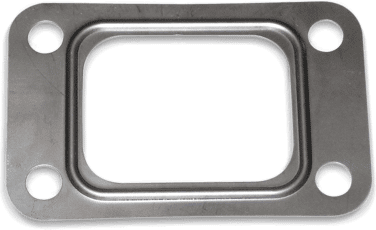
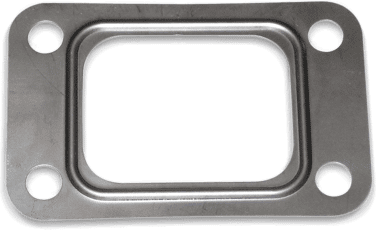
Products related to ELRING-484-700-Turbo:


-
What is turbo flutter?
Turbo flutter, also known as compressor surge, occurs when the throttle is suddenly closed while the turbocharger is still spinning at high speed. This causes the compressed air to be forced back through the turbocharger, creating a fluttering or chattering sound. Turbo flutter can cause damage to the turbocharger and other components of the engine if it occurs frequently or at high levels. It is often considered undesirable and can be mitigated by using a blow-off valve or adjusting the engine's tuning to prevent sudden throttle closures. **
-
Base or turbo frequency?
It depends on the specific use case and requirements. The base frequency is the clock speed at which a processor operates under normal conditions, while the turbo frequency is the maximum clock speed the processor can achieve under heavy load. If the application requires consistent performance over long periods of time, then the base frequency may be more important. However, if the application requires short bursts of high performance, then the turbo frequency may be more beneficial. Ultimately, the choice between base or turbo frequency depends on the specific needs of the user or application. **
-
Does a 700-watt power supply constantly consume 700 watts?
No, a 700-watt power supply does not constantly consume 700 watts. The wattage rating of a power supply indicates the maximum amount of power it can deliver, not the amount it constantly consumes. The actual power consumption of a power supply depends on the load it is delivering power to. If the load is not drawing the full 700 watts, then the power supply will only consume the amount of power needed to meet the load's requirements. **
-
Does a 700-watt power supply continuously consume 700 watts?
No, a 700-watt power supply does not continuously consume 700 watts. The wattage rating of a power supply indicates the maximum amount of power it can deliver, not how much power it consumes. The actual power consumption of a power supply will vary depending on the load being drawn from it. In general, a power supply will only consume as much power as is needed to meet the demands of the components it is powering. **


What does Turbo Diesel mean?
Turbo Diesel refers to a type of engine that combines a diesel fuel system with a turbocharger. The turbocharger helps to increase the power and efficiency of the engine by forcing more air into the combustion chamber. This results in improved performance, better fuel economy, and reduced emissions compared to traditional diesel engines. Turbo Diesel engines are commonly found in trucks, SUVs, and some passenger cars. **
Which gasoline for turbo engines?
For turbo engines, it is recommended to use gasoline with a higher octane rating, typically 91 or higher. Higher octane fuel can withstand higher levels of compression without detonating prematurely, which is important for turbocharged engines that operate at higher pressures. Using higher octane gasoline can also help prevent knocking and improve overall engine performance in turbo engines. It is best to refer to the manufacturer's recommendations for the specific octane rating required for your turbo engine. **
Top-Angebote
Products related to ELRING-484-700-Turbo:
-
What do you prefer, 484?
As an AI, I do not have personal preferences or feelings. My purpose is to assist and provide information to the best of my abilities based on the input I receive. If you have any specific questions or need assistance with something, feel free to ask! **
-
"Is my turbo broken?"
It's possible that your turbo is broken if you are experiencing symptoms such as loss of power, excessive smoke from the exhaust, or unusual noises coming from the turbo area. However, it's important to have a professional mechanic diagnose the issue to confirm whether the turbo is indeed broken. They can perform a thorough inspection and testing to determine the exact cause of the problem. **
-
What is turbo flutter?
Turbo flutter, also known as compressor surge, occurs when the throttle is suddenly closed while the turbocharger is still spinning at high speed. This causes the compressed air to be forced back through the turbocharger, creating a fluttering or chattering sound. Turbo flutter can cause damage to the turbocharger and other components of the engine if it occurs frequently or at high levels. It is often considered undesirable and can be mitigated by using a blow-off valve or adjusting the engine's tuning to prevent sudden throttle closures. **
-
Base or turbo frequency?
It depends on the specific use case and requirements. The base frequency is the clock speed at which a processor operates under normal conditions, while the turbo frequency is the maximum clock speed the processor can achieve under heavy load. If the application requires consistent performance over long periods of time, then the base frequency may be more important. However, if the application requires short bursts of high performance, then the turbo frequency may be more beneficial. Ultimately, the choice between base or turbo frequency depends on the specific needs of the user or application. **
Similar search terms for ELRING-484-700-Turbo
-
Does a 700-watt power supply constantly consume 700 watts?
No, a 700-watt power supply does not constantly consume 700 watts. The wattage rating of a power supply indicates the maximum amount of power it can deliver, not the amount it constantly consumes. The actual power consumption of a power supply depends on the load it is delivering power to. If the load is not drawing the full 700 watts, then the power supply will only consume the amount of power needed to meet the load's requirements. **
-
Does a 700-watt power supply continuously consume 700 watts?
No, a 700-watt power supply does not continuously consume 700 watts. The wattage rating of a power supply indicates the maximum amount of power it can deliver, not how much power it consumes. The actual power consumption of a power supply will vary depending on the load being drawn from it. In general, a power supply will only consume as much power as is needed to meet the demands of the components it is powering. **
-
What does Turbo Diesel mean?
Turbo Diesel refers to a type of engine that combines a diesel fuel system with a turbocharger. The turbocharger helps to increase the power and efficiency of the engine by forcing more air into the combustion chamber. This results in improved performance, better fuel economy, and reduced emissions compared to traditional diesel engines. Turbo Diesel engines are commonly found in trucks, SUVs, and some passenger cars. **
-
Which gasoline for turbo engines?
For turbo engines, it is recommended to use gasoline with a higher octane rating, typically 91 or higher. Higher octane fuel can withstand higher levels of compression without detonating prematurely, which is important for turbocharged engines that operate at higher pressures. Using higher octane gasoline can also help prevent knocking and improve overall engine performance in turbo engines. It is best to refer to the manufacturer's recommendations for the specific octane rating required for your turbo engine. **
* All prices are inclusive of VAT and, if applicable, plus shipping costs. The offer information is based on the details provided by the respective shop and is updated through automated processes. Real-time updates do not occur, so deviations can occur in individual cases. ** Note: Parts of this content were created by AI.